


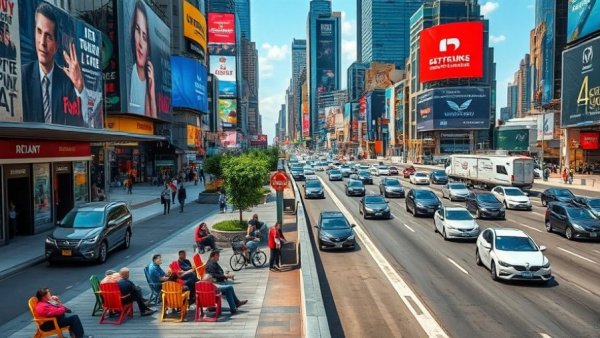
The Transformation of Times Square: A Model for Urban Design
How do you transform a bustling city street that sees half a million pedestrians daily? New York City's approach to its iconic Broadway has become a case study for urban planners and designers worldwide. By prioritizing pedestrian spaces, the city has made strides in safety and accessibility while rejuvenating the heart of Manhattan.
In 'Why NYC Removed Cars From Its Busiest Streets,' the discussion dives into urban transformation, exploring key insights that sparked deeper analysis on our end.
Why Pedestrian Spaces Matter
The changes to Times Square were not just about aesthetics but about creating a safer environment for New Yorkers and tourists alike. With a history of chaotic traffic and pedestrian injuries, the pedestrianization of Times Square has led to significantly reduced accidents and improved foot traffic for businesses. By redesigning the area primarily for people rather than cars, the city has increased both safety and economic vitality.
Lessons from the Green Light for Midtown Program
Initiated in 2009, the Green Light for Midtown program tested the idea of closing sections of Broadway to automotive traffic. Initially implemented with temporary setups, the success of the pilot paved the way for permanent installations. Businesses thrived as foot traffic increased, demonstrating that pedestrian-friendly spaces can benefit the local economy. This approach offers poignant lessons in urban development—planning must focus on community needs rather than traditional vehicle-centric designs.
The Future of Urban Spaces
The Broadway vision plan, an ongoing project aiming to extend these pedestrian and bike-friendly designs, emphasizes shared spaces that prioritize walking and cycling over vehicular traffic. Innovations like 'shared streets'—environments where cars slow down to accommodate pedestrians—reflect a growing trend in modern urban planning. The Dutch concept of a woonerf exemplifies this idea, merging traffic calming measures with social spaces, thus amplifying community interaction.
Application Beyond New York
While New York's transformation is remarkable, its principles can be applied to other cities. Citizens everywhere can advocate for similar changes to improve safety, encourage local business growth, and enhance the livability of urban environments. As more cities look to embrace sustainable design approaches, the question remains: does your community prioritize space for people over cars?
If you're considering home design concepts that embrace outdoor living and community interaction, take inspiration from urban revitalization efforts like those in New York. Spaces that invite pedestrian engagement can offer vibrant living experiences for homeowners, visitors, and local businesses. Explore ways to integrate these approaches in your home and community.





Write A Comment