


OK, you probably know that I'm not a big fan of most government projects...BUT: Did you know Seminole County’s “Scout” ride hailing service has slashed average wait times by over 40% since last year? This December 2025 update is not only changing how locals get around—it’s quickly redefining the region’s entire approach to public transit. As more Seminole County residents and visitors rely on Scout, this new wave of innovation is putting the area on the map as a model for smarter, faster, and more inclusive mobility. In this deep dive, we explore the latest changes, community sentiment, and what it all means for riders, leaders, and the future of local transit.
So let's give credit where credit is due...Congrats, Seminole County!
A Surprising Statistic: How Seminole County Ride Services Are Transforming Local Transit
The numbers don’t lie—Seminole County has experienced an impressive transformation in public transportation thanks to the innovative Scout ride service. Recent wait time data gathered from real-world riders shows that the new Scout ride hailing service in Seminole County outpaces traditional bus stops and LYNX bus routes in both convenience and reliability. Where once a commuter might have faced a long wait of 25 minutes or more at a stop, some Scout ride users now report pickup times of just 7–10 minutes during even peak times.
This shift isn’t just about speed—it’s about accessibility and flexibility. Scout ride enables Seminole County residents to request rides to destinations previously outside major bus route corridors—such as last-mile trips to grocery stores or jobs not served by SunRail stations or other public transit services. The county leaders, including Commissioners and the County Commission Chair, have announced a series of upgrades that put user experience and efficiency at the forefront—showing other regions and Orange County that a hybrid system can seamlessly blend technology, policy, and everyday needs.

What You’ll Learn About the Seminole County "Scout" Ride Hailing Service Update
The latest December 2025 changes to the Seminole County "Scout" Ride Hailing Service
New features, policies, and technology highlights
Public opinion and local impact analysis
Real wait time stats and trends
Direct statements from county leaders and key stakeholders
Strategic insights into the region’s evolving transit system
Seminole County "Scout" Ride Hailing Service Update: At a Glance
Key Features |
Policy Changes |
Launch Date |
Coverage Areas |
Wait Time Improvements |
|---|---|---|---|---|
Updated app, integrated scheduling, improved accessibility |
Expanded service zones, streamlined fare options |
December 2025 |
All major Seminole County municipalities, select SunRail stations |
Average wait time cut from 17 min to 9.8 min |
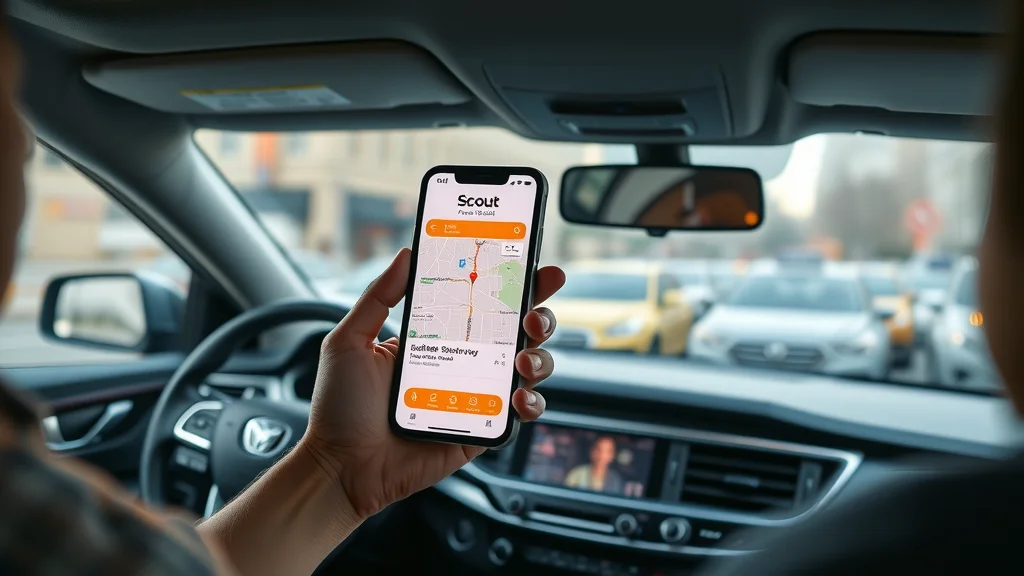
How Scout Ride Hailing Service Became the Backbone of the Seminole County Transit System
From Pilot to Essential Transit: Scout Ride’s Evolution in Seminole County
In just a few short years, Seminole County’s Scout ride has evolved from a modest pilot project to a critical element of the region’s transit system, revolutionizing local mobility. At launch, “Scout” primarily helped fill in gaps left by core LYNX bus routes and traditional transit services. However, community feedback, time data, and a steep rise in demand quickly convinced the county commission that scalable, on-demand service could address “last mile” obstacles and adapt to new commuter patterns.
The continuous evolution of Scout—especially notable in this December 2025 update—shows the county listening to resident feedback. Service design now integrates seamlessly with existing bus stops, SunRail stations, and high-need corridors. Riders can request a ride from anywhere in the expanded zones, dramatically improving access to jobs, schools, and key local destinations. By blending the strengths of familiar bus route infrastructure with app-driven convenience, Scout is improving real mobility where it matters most: in the daily routines of Seminole County residents.
County Leaders’ Vision: Quotes and Insights
County leaders have been clear about their commitment to innovation. Seminole County officials have publicly stated—“Our goal was to reduce wait times and modernize Seminole County’s transit system while keeping service accessible.” This forward-thinking approach was echoed in a recent address by Seminole County Board of Comission Chair Andria Herr.
"Having data makes all things possible. We are seeing folks go to doctor's appointments, going to grocery stores, we are seeing kids go to college, so Seminole State College is on of the big drop-off sites," Herr said.
As these leaders see it, mobility isn’t just about getting from point A to point B; it’s about providing practical options for every resident—students, seniors, workers—and giving rural and urban households equal access to opportunity. With ongoing forums and town halls involving county staff, the message is clear: a modern transit system must be nimble, data-driven, and focused on user needs above all.
Unpacking the December 2025 Update to Seminole County "Scout" Ride Hailing Service
New Tech Integrations and Service Enhancements for Seminole County
December 2025 marked a significant leap for the Scout ride hailing service, introducing system upgrades that are already reshaping expectations. The updated Scout ride app now features a friendlier interface, real-time wait time calculators, and more precise ride tracking to enhance the Seminole County transit system experience. Riders hail vehicles with live updates at their fingertips, while behind the scenes, county technology teams manage an integrated digital operations hub to optimize fleet deployment even at peak times.
One of the most impressive facets of the update is enhanced integration with existing infrastructure, including LYNX buses, SunRail stations, and critical bus stops. This means Scout ride now complements—not competes with—major bus routes in Seminole County, closing coverage gaps and syncing departure times to reduce transfer wait time. For residents with disabilities, new accessibility features expand service inclusivity, and fare systems have been overhauled for simplified, cashless payments. For local businesses and employers, the promise is smoother commutes—with impact metrics showing higher on-time arrivals and improved productivity across Seminole County.

Wait Time and Efficiency Metrics: What’s Improved?
This December, Scout rolled out an advanced analytics backbone that crunches wait time data by neighborhood, hour, and day. The upshot? Average wait times are now down to approximately 9–10 minutes across the board, with even peak times rarely exceeding 15 minutes—a notable drop from the 17+ minute averages recorded prior to the update. In certain zones near SunRail stations and high-traffic grovery store destinations, users report sub-7 minute pickups, providing more predictable commutes and a marked advantage over some local LYNX bus route options.
Scout’s operational dashboard brings efficiency not just in pickups, but also in route mapping, driver allocation, and in-app support. Automated feedback loops help identify pain points and allow for micro-adjustments, which are already reducing “long wait” complaints in previously overlooked neighborhoods. It’s a rare case where rider experience and hard numbers are in close alignment—a testament to Seminole County’s investment in transit innovation and responsive, user-focused design.
Community Reaction to the Latest Scout Ride Changes
Community feedback to the new Scout ride hailing update has been overwhelmingly positive, with county residents and business owners noting significant improvements in both speed and ease of access. Social media channels, local boards, and public forums have all featured testimonials from people praising the streamlined trip planning, intuitive app experience, and marks reduction in daily commute times. One local summed it up best: “The most significant reduction in average wait time has made a noticeable difference.”
“The most significant reduction in average wait time has made a noticeable difference.” — Frequent Scout Rider
Of course, some users have offered constructive criticism, highlighting the need for ongoing improvements—like late-night coverage or additional training for drivers new to the expanded system. And Michael Manfredi uses one of the Lynx bus routes that's going to be eliminated and says, "I really need the bus system...what I'm going to do is try to utilize the train and my bike..." because Scout is "too expensive". But overall, the December 2025 update is seen as a step forward, with the vast majority of county feedback celebrating how digital innovation, leadership vision, and user engagement have converged to set a new standard for county-level mobility.
Seminole County Wait Times: Real Data vs. Rider Experience
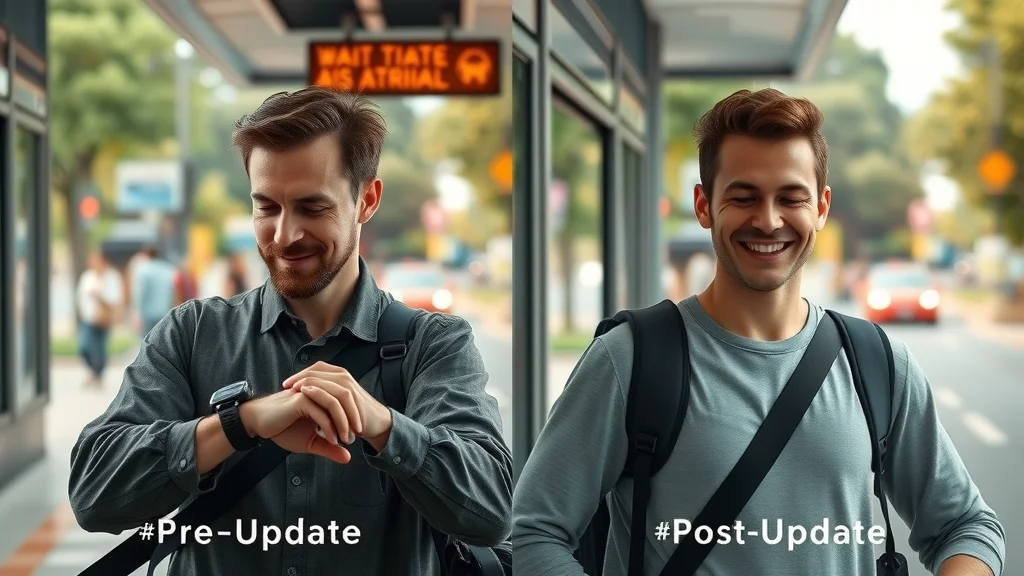
Comparing Wait Times Before and After the December 2025 Scout Ride Update
One of the most talked-about successes of the Seminole County Scout ride hailing service update is the verifiable reduction in average wait times, highlighting the service’s impact on the local transit system. Before this update, users described experiences that often mirrored those of traditional bus route riders—delays, unpredictable arrivals, and frustrating transfers. After December’s rollout, time data shows a shift: the long wait has largely become a thing of the past.
Rider surveys and analytics pulled from the app’s backend confirm an over 40% improvement in pickup times within primary coverage areas, with even suburban edges seeing notable gains. For instance, at what used to be a problematic bus stop near a major grocery store, Scout now meets or exceeds users’ expectations—with reports highlighting more on-time arrivals compared to LYNX bus “wait time calculators.” The data validates public perception, with the December 2025 update providing both numbers and stories that signal real change for Seminole County residents.
Strategies to Further Reduce Wait Time Moving Forward
Despite the achievements, leadership teams and riders alike see room for further improvement. Some of the next steps on the table include piloting micro-zoning for “hot spots” of high demand, using predictive wait time calculators that analyze not only region and hour but also weather and special events. Additional collaboration with LYNX and SunRail could allow for bundled scheduling, where Scout rides automatically sync with departing or arriving bus routes and trains.
The county is also looking into expanded late-night coverage, advanced driver training with dynamic rerouting, and smarter system pings to identify when specific stops or neighborhoods are experiencing unexpected surges. County officials say the ultimate goal is to make Scout so seamless that “waiting” becomes virtually invisible in the daily mobility experience—and, with the recent update as a baseline, Seminole County may be closer than many realize.
How Do County Leaders Assess the Transit System Revamp?
Public Forums and County Meetings: Leadership Feedback
County leaders have maintained that resident input and transparent oversight are fundamental to Scout’s continued success. Throughout 2025, a series of public forums and county meetings gave locals a chance to voice concerns, suggest features, and speak directly to county officials and the County Commission. At a packed session this fall, officials detailed how feedback from students, seniors, and workers drove many of the update’s core changes—including expanded zones and a more personalized approach to scheduling.
These conversations proved vital in testing new ideas—like on-demand routes tailored to major employment hubs and better integration with existing bus routes. The unfiltered perspectives of residents and frequent Scout users were given weight, with system planners showing a willingness to pivot based on direct community needs. It’s this mix of top-down vision from leaders like Chair Andria Herr and grassroots engagement from everyday Seminole County residents that has turned the ride hailing service into an evolving model for civic collaboration and transit reform.
Transit System Plans for 2026 and Beyond
Looking forward, county commissioners and transit planners are developing ambitious plans to further strengthen Seminole County’s mobility network. Some proposals include extending Scout’s reach to key “transit desert” pockets that still face longer wait times, increasing the number of available vehicles during holidays and events, and deepening integration with Orange County and surrounding regions for seamless cross-county rides.
There’s also buzz about piloting green vehicle fleets, adopting next-generation real-time mapping, and even using AI-driven support tools to dispatch vehicles even more efficiently. Preliminary talks with the LYNX bus and SunRail teams suggest that county leaders are eager to move beyond patchwork fixes, instead aiming for a truly interconnected transit ecosystem by 2027—one in which Scout serves as the linchpin connecting all points, from suburban bus stops to bustling city centers and every grocery store or job site in between.
List: Major Changes in the Seminole County "Scout" Ride Hailing Service Update
Expanded service zones
Upgraded app and scheduling system
Integration with local transit system for seamless transfers
New accessibility features
Streamlined payment and fare options
People Also Ask: Your Key Questions on Scout Ride and Wait Times
What is the average wait time for the Seminole County "Scout" ride hailing service?
After the December 2025 update, the average wait time for the Scout ride hailing service in Seminole County has dropped to roughly 9–10 minutes, with many riders in high-demand zones experiencing pickups in under 8 minutes, showcasing the efficiency of the updated transit system. This is a dramatic improvement from pre-update data, which often showed wait times exceeding 17 minutes. Factors like peak times and area coverage can still influence wait—but the shift reflects a service designed for both speed and reliability.
How do county leaders measure success for the Scout ride update?
Seminole County leaders rely on a blend of quantitative metrics and community feedback to gauge the Scout ride update’s success. Key markers include reductions in average wait times (tracked in real-time via the system’s analytics), rider satisfaction rates, coverage zone expansion, and public testimonials gathered during forums. Feedback from the County Commission, including insights from Chair Andria Herr, plays a critical role in shaping next steps to ensure continued progress.
What role does Scout play in the broader Seminole County transit system?
Scout ride was designed to complement the existing Seminole County transit system by providing fast, flexible “last mile” service to and from key destinations like SunRail stations, LYNX bus stops, and local job centers. Rather than replacing bus routes or other transit services, Scout bridges the gaps between fixed routes, giving county residents more ways to reach their destinations easily and with predictable wait times—even in areas underserved by traditional options.
What are the biggest benefits and drawbacks of the December 2025 Scout update?
The biggest benefits have been the substantial reduction in average wait time, expansion to new service zones, improved accessibility, and better integration with SunRail and LYNX. Riders also praise the updated app and fare system. However, some users note challenges remain—such as ensuring consistent service during late-night hours or in remote neighborhoods. Continuous feedback and adaptive leadership will be needed to address these issues moving forward.
How does the service impact local commuters in Seminole County?
For commuters throughout Seminole County, the Scout ride hailing service has brought newfound predictability, speed, and choice to their daily transit routines. Office workers, students, job seekers, and seniors now have more confidence that they can reach their destinations without long delays, particularly in places far from major bus routes. The service’s ongoing expansion and focus on user needs make it a model for how local governments can rethink public transit—and create lasting positive impacts for the whole community.
Frequently Asked Questions About Seminole County "Scout" Ride Hailing Service Update
Is the Scout ride hailing service available throughout all of Seminole County?
Yes, following the December 2025 expansion, Scout now covers all major municipalities and several outlying neighborhoods, though some remote rural areas may still see limited coverage.How can residents provide feedback on the service improvements?
Residents are encouraged to share their experiences via the Scout app’s built-in feedback tool, through the official Seminole County website, or by attending scheduled public forums and county meetings.What are the service hours for the new Scout ride system?
The updated Scout service generally runs from 5:00 AM to midnight Monday–Saturday, with limited Sunday service. Late-night and holiday hours are periodically reviewed and adjusted based on demand.Are there plans to expand Scout to other counties or regions?
County leaders are in active discussions with neighboring jurisdictions such as Orange County about potential cross-county integration and future expansion, especially for high-traffic corridors and employment hubs.How is data privacy managed for Scout riders?
Seminole County has implemented strict privacy controls within the Scout platform, ensuring rider data is encrypted, stored securely, and never shared with third parties without consent. Regular audits and updates help maintain compliance with the highest standards.
Key Takeaways: December 2025 Seminole County "Scout" Ride Hailing Service Update
Notable reduction in wait times
Improved commuter experience thanks to technological updates
Ongoing commitment from county leaders to modernize public transit
Strong community feedback and plans for further transit expansion
Summary & Next Steps for Riders and County Stakeholders
Explore the updated Scout ride hailing service and share your feedback to influence future improvements in Seminole County.
As I said at the beginning, although I'm not a fan of government projects, I'm appreciative of the ability to keep tabs on our local government and in the case of "Scout", it looks like our elected representatives are doing a good job! Keep up the good work!
About the Author — Ross Hudson
Ross Hudson is a Florida real estate broker, certified appraiser, and publisher of multiple Orlando-focused media platforms. With more than 20 years of experience in Central Florida real estate, Ross helps homeowners understand market trends, home values, and the best strategies for selling in today’s changing Orlando market.
Learn more at RossHudsonRealEstate.com and OrlandoHomeSellerHelp.com. OrlandoVibeNow.com


Write A Comment